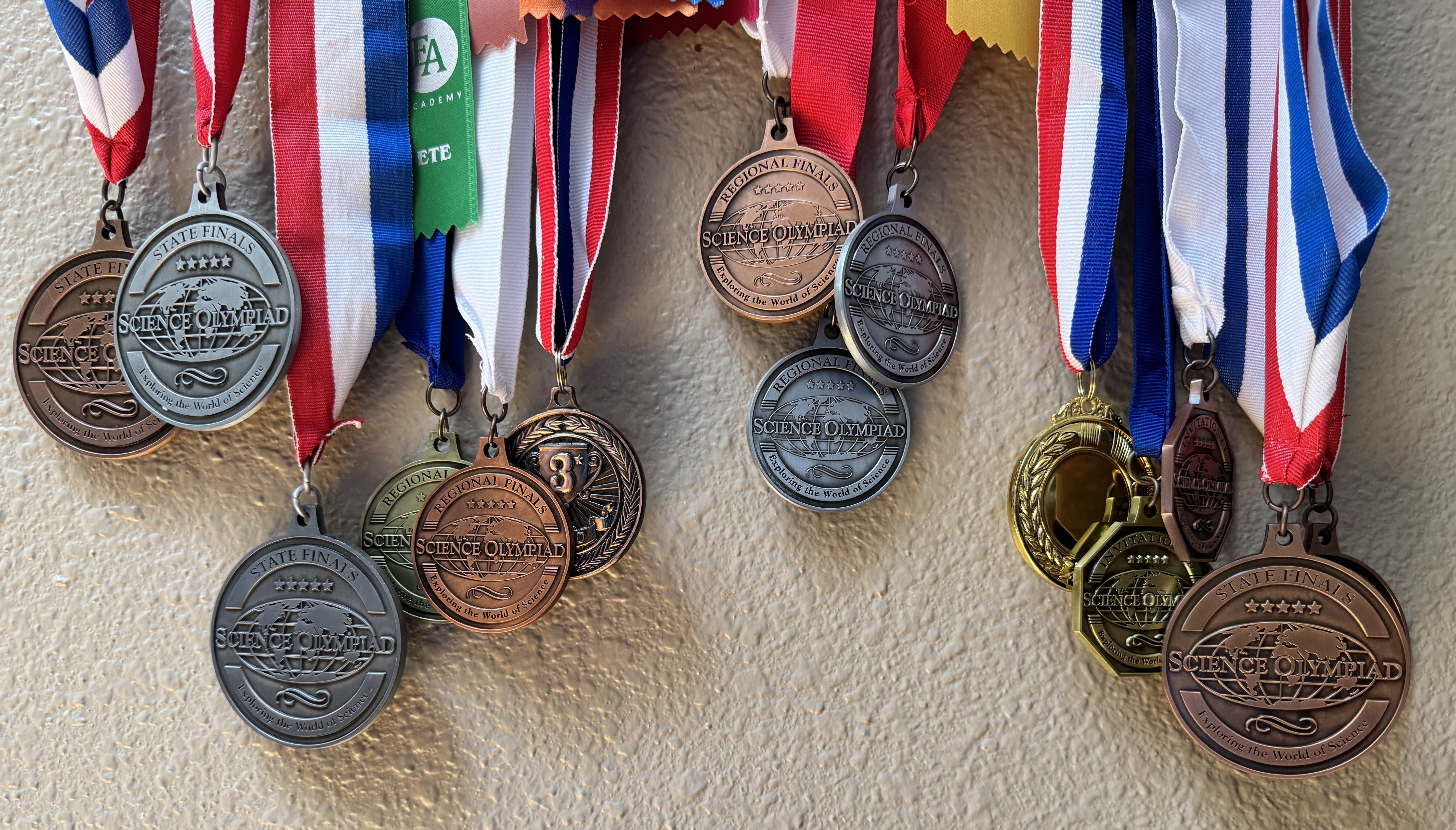
We found Science Olympiad the way most families do — through word of mouth, mid-way through middle school. My daughter was assigned Codebusters. Neither the teacher running the program nor the head parent coach had any cryptography background — and neither did I.
What I did have was a background as an AI product manager, spending years thinking about how people learn to use unfamiliar, complex systems. So instead of just handing my daughter's team a stack of cipher worksheets, I started asking a different question: what's the most intuitive way to actually teach someone to crack an Affine cipher's multiplier-and-shift pair from just two decoded letters, or spot an Aristocrat's pattern, the way an experienced solver does instinctively?
That became the real project. I read every cipher reference I could find — not just to learn the mechanics, but to figure out where existing resources broke down. They'd explain what a cipher was, but not how to build the pattern-recognition instinct that makes someone fast at it under competition pressure. So I started designing specific tools and explanations for each cipher type: the right way to visualize how a Hill cipher's matrix math actually works, the right walk-through of frequency analysis on an Aristocrat so it clicks instead of feeling like memorization.
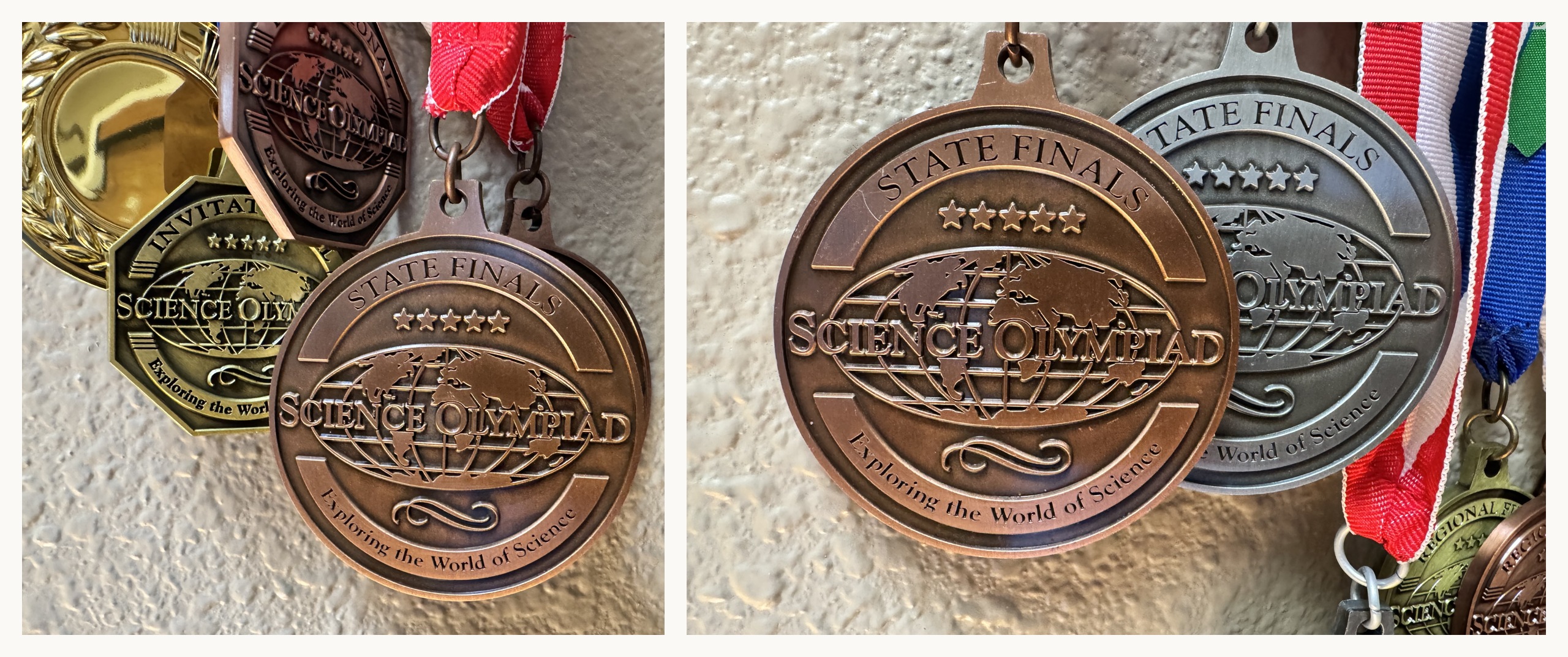
That first team — three kids who'd never seen a cipher — medaled at States. Every team I've coached since has medaled at States too, using the same approach: the right tool, at the right moment, for each cipher's specific trick. I put all the struggles, learnings, and breakthroughs into building CodebustersAI.
Professor Lock is that same approach, built into an AI coach — not a generic chatbot with cipher trivia loaded in, but a set of tools and explanations designed around how each cipher type is actually learned, refined over years of coaching real students through this exact competition.
Ravi Masalthi · Founder & Codebusters Coach